Moving large items down narrow Clapton streets: solutions
Posted on 18/06/2026

If you have ever tried to get a sofa, wardrobe, piano, freezer, or bed frame through a tight Clapton street, you will know the problem is not just the size of the item. It is the angle of the staircase, the parked cars, the corner that seems about two inches too sharp, and the very real chance of scraping a wall before you have even started. Moving large items down narrow Clapton streets: solutions is really about planning the route, reducing risk, and using the right methods so the move feels controlled rather than chaotic.
In Clapton, where roads can be narrow, pavements busy, and access awkward, the difference between a smooth move and a stressful one often comes down to preparation. This guide walks through practical solutions, step by step, so you can decide what is realistic, what needs specialist help, and how to keep both your belongings and your property safe. Truth be told, most difficult moves are not impossible. They are just badly prepared.
Why Moving large items down narrow Clapton streets: solutions Matters
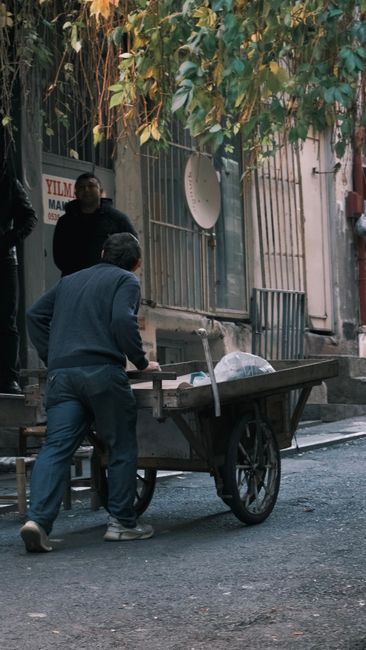
Narrow streets change everything. A standard move on a wide road can become much more complicated when there is limited space for a removal van, awkward parking, tight turning, and pedestrians moving past at the worst possible moment. In parts of Clapton and the wider E5 area, this is not unusual. You may also run into terraced houses, basement flats, stairwells with awkward bends, or flat entrances that look straightforward until you try to carry a heavy item through them.
The main issue is not simply getting the item from A to B. It is getting it out safely, carrying it without twisting or overreaching, and making sure the loading process does not block traffic or create hazards. If a sofa is dragged, or a fridge is tilted the wrong way, you can end up with broken feet, torn upholstery, smashed casters, or worse, someone getting hurt. And nobody wants a moving day that ends with a silent stare at a doorway and a chipped plaster wall.
Using the right solution matters because it reduces three things at once: physical risk, property damage, and wasted time. It also helps with cost control. Reworking a move after something has been scratched or dropped is nearly always more expensive than doing it properly the first time.
For local context, it helps to think about access as a moving puzzle. On one side there is the item's size and weight. On the other, there is the street layout, the building entrance, and the crew's ability to work safely. Once those are matched up properly, the whole move becomes more manageable.
How Moving large items down narrow Clapton streets: solutions Works
The process usually starts before anyone lifts a thing. A good mover will look at the item, measure doorways and stairwells, and check whether the item can be rotated, dismantled, or carried in a different orientation. That sounds basic, but it saves a huge amount of trouble. Sometimes a wardrobe does not need to be carried as a whole unit; it needs to be partially disassembled, wrapped, and reassembled at the other end.
The next stage is route planning. This means deciding the safest path from the property to the van, not just the shortest one. In a narrow Clapton street, the shortest path might be the worst route if it includes a tight corner, uneven paving, or a cluster of parked vehicles. A better route may take a minute longer but create far less risk. Simple enough, really.
Then comes handling. This is where technique matters. Heavy items should be moved with controlled lifting, ideally by two people for larger pieces, and with correct grip, posture, and communication. A quick lift-and-go approach is tempting, but it often leads to slips or twisted backs. If the item is especially awkward, moving straps, sliders, dollies, and protective blankets can help. The point is to keep the object stable and the carriers balanced.
Finally, loading has to match the space in the van. Large items should be placed to minimise movement during transit, protected from rubbing, and loaded in a logical order so lighter boxes and smaller pieces do not need to be removed first on arrival. If you are looking at the broader moving process, the planning principles in a stress-free house move and the practical packing advice in packing for a less stressful move can be genuinely helpful alongside this.
Key Benefits and Practical Advantages
The biggest advantage of a well-planned approach is that it makes the move feel possible. That sounds obvious, but when a large item is halfway out of a doorway and everyone is second-guessing the angle, confidence matters. A clear method keeps the team calm and the item under control.
- Less damage: careful wrapping, dismantling, and route planning reduce scrapes, dents, and broken fittings.
- Better safety: fewer sudden lifts and fewer awkward twists mean lower risk of injury.
- Faster handling: once the route and equipment are decided, the move usually runs more smoothly.
- Lower stress: you know what to expect, which is half the battle on moving day.
- More local flexibility: a smaller vehicle, timed arrival, or short carrying route can often solve access problems.
There is also a quieter benefit: you keep your options open. If the item cannot fit through the front access, it may still move through another route, be partially dismantled, or be held in temporary storage. That flexibility can save the day when the building layout is less cooperative than expected.
For delicate or valuable furniture, it is worth reading practical guides such as sofa protection and storage strategies and bed and mattress relocation tips. These can help you protect bulky items before they even reach the street.
Who This Is For and When It Makes Sense
This kind of planning is useful for anyone moving furniture or equipment in Clapton, but it is especially relevant if you are in a flat, a terraced house, or a property with limited front access. It is also a smart move for landlords, letting agents, students, office teams, and anyone shifting one particularly awkward item rather than a full house.
You will probably need these solutions if you are dealing with:
- large sofas, corner sofas, or recliners
- wardrobes, bookcases, and flat-pack furniture assembled in the room
- pianos and other heavy instruments
- fridges, freezers, and bulky appliances
- mattresses and bed bases
- office desks, filing cabinets, and compact workstations
- items that must pass through narrow hallways or staircases
It is also sensible when you have time pressure. If you are moving out of a rental and need a quick turnaround, or you are dealing with same-day logistics, the margin for error gets tiny. In those situations, it can be worth looking at urgent same-day removals in E5 or same-day removals support if speed matters more than DIY convenience.
One small but useful point: if the item is expensive, antique, unusually heavy, or sentimental, it makes even more sense to use a method that reduces handling. A scratched sideboard can be replaced. A damaged piano or family dining table? Not so easily.
Step-by-Step Guidance
Here is the practical sequence we would suggest for most narrow-street moves. It is not glamorous, but it works.
- Measure the item and the access points. Measure height, width, depth, staircase bends, hallway corners, and the front door clearance. Do not forget door handles, light fittings, and radiator projections.
- Decide whether the item can be dismantled. Remove legs, shelves, doors, drawers, and any loose parts. Bag and label screws and fittings properly. You will thank yourself later.
- Protect the surfaces. Use blankets, corner protectors, and wrapping for any exposed edges. Tape should never go directly onto delicate finishes unless it is safe to do so.
- Clear the route. Move shoes, bins, rugs, side tables, bikes, and anything else that could snag the item or block movement.
- Choose the right carrying method. For lighter awkward items, two-person manual carrying may be enough. For heavier loads, use straps, a trolley, or a team with experience in controlled lifting.
- Plan the van position. Park as close as is lawful and practical, but keep access safe for pedestrians and other road users. If the street is especially tight, a smaller removal vehicle may be a better fit.
- Move slowly through tricky turns. Speak clearly. One person should lead the movement so nobody fights the same corner in different directions. It sounds basic because it is basic.
- Load securely. Stack and tie items so they cannot shift in transit. Heavy pieces go low and stable. Fragile surfaces should not rub against metal or hard edges.
- Check the destination access too. The hardest part may be the other end, not the pickup point. Flats, internal corridors, and stairwells can surprise you.
If you are still in the planning stage, a little pre-move decluttering helps more than people expect. Fewer loose items means fewer distractions and less clutter in the route. The guide on pre-move decluttering is worth a look if your move is piling up with odd bits and bobs.
Expert Tips for Better Results
Here is where experience really starts to save time. A few small decisions can make a narrow-street move much easier.
Use the item's shape to your advantage. Tall items often tilt better than they carry upright, while wide items may need to be turned diagonally. The trick is knowing which movement reduces the footprint without making the load unstable.
Take photo references before dismantling. It sounds fussy, but one quick phone picture of hinges, fittings, or cable routes can prevent a lot of confusion later.
Protect the route at both ends. Hallways and stair rails often take the first hit, not the furniture. A bit of floor protection and blanket padding can save a landlord conversation later. Nobody enjoys that conversation.
Keep communication short and clear. On a tight staircase, too much talking actually gets in the way. Use simple calls like "stop," "tilt," and "go."
Think about the weather. Wet pavement, icy patches, or even a windy day can change how a bulky item should be carried. Clapton weather, let's face it, likes to keep people humble.
Know when to stop and reassess. If the angle feels wrong or the team is straining, reset. Forcing a bulky piece through a bad gap is how damage happens.
For heavier lifting situations, it may help to read about the mechanics behind safe handling in kinetic lifting and the practical side of moving weight alone in solo heavy lifting techniques. Even if you are not lifting alone, those principles are useful.
Common Mistakes to Avoid
A lot of removal problems come from rushing. Not all of them, but a lot.
- Skipping measurements: guessing the fit is a classic mistake, and not a charming one.
- Dragging instead of lifting: this damages floors, feet, and furniture corners.
- Using too few people: one strong person is not a substitute for proper handling on bulky items.
- Ignoring the destination route: people often plan only the pickup side, then get stuck at the other end.
- Overpacking the van: if the load cannot be secured safely, it is too much for that trip.
- Leaving loose parts attached: handles, feet, shelves, and glass panels are often the first things to break.
- Working without a plan for parking: in a narrow street, a bad parking choice can create a chain reaction of delays.
Another common mistake is assuming a difficult item needs brute force. Usually it needs the opposite: more thought, better angles, and calmer handling. A wardrobe does not care how determined you feel at 8 a.m.; it still needs room to turn.
When the item is a sofa, mattress, or appliance, there is usually some specialist advice available. For example, a bed frame often benefits from dismantling first, while a freezer may need correct preparation if it is being stored or moved later. Small details, big difference.
Tools, Resources and Recommendations
You do not need a warehouse full of equipment to move large items well. A modest set of practical tools can solve a lot of problems.
| Tool or resource | What it helps with | Best use case |
|---|---|---|
| Furniture blankets | Surface protection and cushioning | Sofas, tables, wardrobes, and finishes that scratch easily |
| Moving straps | Weight distribution and grip | Stairs, long carries, and heavy awkward items |
| Furniture sliders | Short-distance movement over floors | Getting items into position before lifting |
| Trolley or dolly | Transporting heavy loads on level ground | Appliances, boxes, and solid furniture |
| Corner protectors | Reducing impact on sharp edges | Door frames, painted corners, and valuable furniture |
| Ratchet straps | Securing loads in the van | Stopping movement during transit |
Beyond the physical kit, the best resource is often a well-organised moving plan. If you want wider moving support, removals in Upper Clapton, man with a van in Upper Clapton, and furniture removals support are useful starting points for comparing practical help. For local logistics, packing and boxes in Upper Clapton can also help when the move includes both heavy items and smaller loads.
If the item needs temporary storage before delivery or after pickup, a storage solution may be the best bridge. That is particularly handy if access is poor on one end or if keys are not ready yet.
Law, Compliance, Standards, or Best Practice
For moving large items in a public street, the main principles are straightforward: keep access safe, avoid creating unnecessary obstruction, and work in a way that does not put people at risk. In practical terms, that means sensible parking, clear pedestrian access where possible, and proper care around footpaths, doorways, and vehicle loading areas.
Health and safety best practice matters even on a small job. Heavy lifting should not be improvised if the item is beyond what the team can reasonably handle. Safe handling, appropriate equipment, and realistic load planning are standard expectations in the removals industry. If someone is already tired, rushing, or carrying a bulky object alone, that is usually the point to stop and reassess.
Insurance is another sensible consideration. While every job is different, it is wise to check what cover applies to damage, accidental breakage, or handling issues before moving day. If you want to understand the company's approach to this in more detail, the pages on insurance and safety and health and safety policy are relevant reading. For people comparing providers more broadly, removal companies in Upper Clapton can be useful when you are weighing up who is properly set up for access-heavy jobs.
One more practical note: if you are disposing of furniture or bulky items rather than moving them, make sure any waste handling is legal and responsible. For that side of things, it is sensible to look at bulk waste removal options rather than leaving items on the street.
Options, Methods, or Comparison Table
There is no single answer for every narrow-street move. The right method depends on the item, the access, and how much help you have. Here is a plain-English comparison.
| Method | Best for | Pros | Limitations |
|---|---|---|---|
| DIY with friends | Smaller bulky items and short carries | Cheaper, flexible, familiar faces | Higher physical risk, less coordination, easy to underestimate the job |
| Man and van | Single-item or light-to-medium removals | Cost-effective, practical, often quick | May not suit very heavy, awkward, or fragile items without planning |
| Specialist removals team | Pianos, large furniture, or tricky access | Better equipment, better handling, less stress | Usually costs more than basic help |
| Storage then delivery | When access timing is the issue | Buys time and reduces pressure | Extra step, can add cost and planning |
In general, if the item is precious, very heavy, or awkwardly shaped, the specialist option is usually the cleaner choice. If it is heavy but not precious, and the access is only mildly awkward, a good man-and-van setup may be enough. DIY makes sense only when the item is genuinely manageable and you have enough people who can lift properly. That bit is often overlooked.
Case Study or Real-World Example
A typical Clapton scenario goes like this: a resident in a top-floor flat needs to move a three-seater sofa down a narrow staircase and out to a parked van on a street where space is already tight. At first glance, it looks like a nightmare. The sofa is too wide to turn easily, the corridor is narrow, and there is a lamp at the turn in the stairs that suddenly seems very fragile indeed.
The workable solution starts with measurement. The team checks the sofa width, removes the feet, wraps the arms, and clears the route. One person leads from below, another controls the top edge, and the sofa is tilted diagonally to reduce the width at the narrowest point. A blanket is placed over the stair rail to prevent scuffs. The van is positioned as close as possible without blocking the street.
At one point, the angle still feels off. So they stop. A short reset, a slightly different tilt, and the sofa passes through. Not fast. Not dramatic. Just controlled. Once in the van, it is strapped securely so it does not drift into the other items on the drive.
That is the real lesson, to be fair: the success was not about muscle. It was about preparation, communication, and staying patient when the first attempt did not work. A bit boring, maybe. But boring is usually good on moving day.
Practical Checklist
Before moving a large item down a narrow Clapton street, run through this checklist.
- Measure the item and all key access points
- Check whether the item can be dismantled safely
- Remove loose parts, shelves, or detachable legs
- Wrap corners, edges, and delicate surfaces
- Clear hallways, steps, and doorways
- Plan the safest route to the van
- Arrange enough people for the weight and shape
- Have moving straps, blankets, or a trolley ready if needed
- Check parking and loading space before arrival
- Load the van in a stable, secure order
- Confirm the destination access before leaving the pickup point
- Allow extra time for unexpected tight turns or setbacks
If you tick most of those boxes, the move is already in much better shape. It is the unglamorous part that usually saves the day.
Conclusion
Moving large items down narrow Clapton streets is rarely about brute force. It is about recognising the access challenge early, choosing the right method, and making small practical decisions that reduce risk at every stage. Whether you are shifting a sofa, piano, mattress, wardrobe, or appliance, the same principle applies: plan the route, protect the item, and never pretend a tight gap is wider than it really is.
The good news is that these problems are solvable. With the right preparation, the right equipment, and the right support, even awkward local streets and tight stairwells become manageable rather than intimidating. And once the heavy lifting is behind you, the whole move feels lighter. Literally and mentally.
If you are weighing up help for a difficult move, or you simply want a clearer idea of what is involved, take the next step and compare your options carefully. A calm, well-planned move is absolutely possible.
Get a free quote today and see how much you can save.