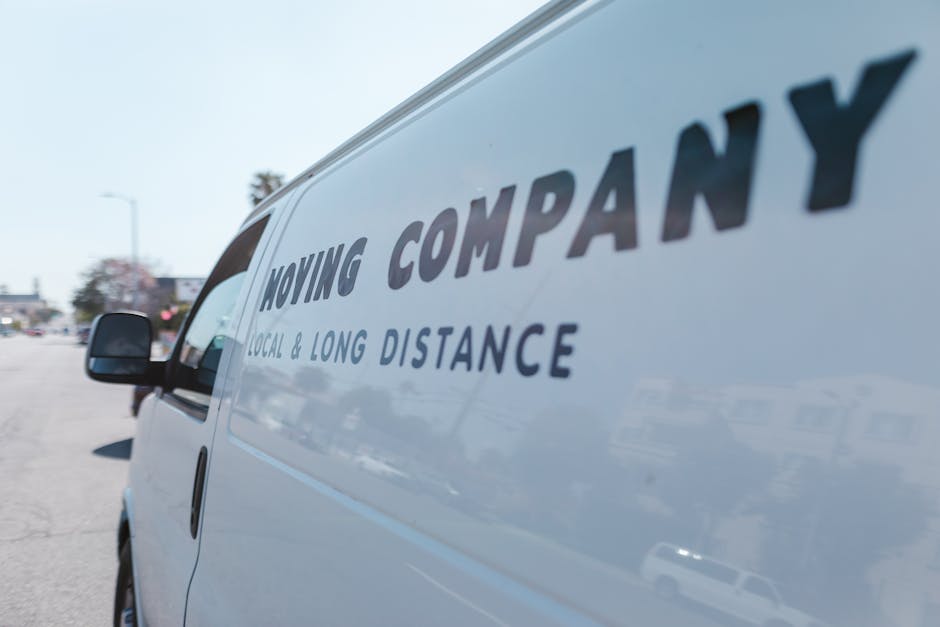
Hackney Council permit rules for Upper Clapton moving vans
Posted on 26/06/2026
Hackney Council permit rules for Upper Clapton moving vans: a practical guide
If you are moving in Upper Clapton, the permit side of the job can feel like a small admin detail right up until it becomes the thing that stops your van from parking where it needs to. Hackney Council permit rules for Upper Clapton moving vans matter because the wrong stopping point, the wrong time, or the wrong assumption about parking can turn a straightforward move into a stressful morning with double-parked vehicles, long carries, and a fair bit of muttering under your breath.
This guide breaks the topic down in plain English. You will find out why permits matter, how moving-day access usually works, what to check before booking a van, and how to avoid the common mistakes that catch people out. We will also cover practical planning tips for flats, house moves, student moves, and those awkward streets where a van can be a little more work than expected. Truth be told, that last part is often the real difference between a calm move and a frantic one.
If you are also planning the rest of the move, it can help to read around the wider process too, especially how to keep a house move calm from start to finish and how to avoid hidden fees in removal quotes. Those two topics come up again and again once people start comparing moving options.
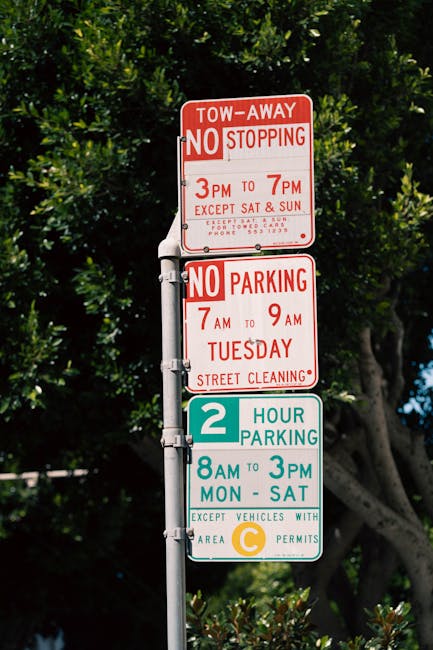
Why Hackney Council permit rules for Upper Clapton moving vans Matters
Upper Clapton has plenty going for it, but moving vehicles and residential streets are not always natural friends. Parking space can be tight, road layouts can be awkward, and even a well-planned move can unravel if the van cannot stop legally and close enough to the property. That is why permit rules matter. They are not just a box-ticking exercise; they directly affect timing, labour, safety, and sometimes cost.
For a moving van, the most important question is usually not "Can we get there?" but "Can we stop there long enough to load or unload without risking a penalty or blocking the road?" If the answer is uncertain, you need to treat access planning as part of the move itself, not as something to sort out after the boxes are packed.
There is also a real practical side to this. When a van has to park far away, every extra metre means more carrying, more time, and more chance of damage. A sofa scraped along a wall or a mattress bent round a corner is nobody's idea of a great day. If you are moving bulky items, it can be worth reading advice for moving large items down narrow Clapton streets and tips for narrow-street removals in E5. Those situations overlap closely with the parking and permit question.
Expert summary: if your moving van needs to stop on a restricted street, near yellow lines, on a controlled bay, or in a busy residential corridor, you should treat permit planning as part of the move booking, not as a last-minute add-on.
How Hackney Council permit rules for Upper Clapton moving vans Works
The exact conditions can vary depending on the street, time of day, and the kind of restriction in place. In general, a permit or dispensation arrangement is about giving a vehicle temporary permission to load or unload where stopping is normally restricted, or to use a bay legally for a specific purpose and period.
In practical terms, the process usually comes down to four things:
- Checking the street restrictions. Look at whether the road has controlled parking, yellow lines, resident bays, time-limited bays, or other restrictions.
- Identifying the vehicle type. A small man-and-van setup and a larger removal van may be treated differently because of size, stopping space, and operational impact.
- Confirming the move window. Some moves are fine early in the morning; others are easier mid-week or outside busier times. If you are in a block of flats, building access times may matter too.
- Making sure the arrangement matches the actual move. There is a difference between a quick loading stop and an all-day house removal with multiple trips.
To be fair, people often assume the "permit" is the whole story. It is not. The street itself, the duration of loading, whether a driver stays with the vehicle, and whether the van blocks a lane are all part of the picture. In some situations, a move may be better handled by careful timing and short stops rather than by relying on a permit alone.
If the move involves stairs, awkward access, or delicate items, planning gets even more important. Our own practical guides on packing for a stress-free move and pre-move decluttering can help reduce the number of trips, which is one of the easiest ways to make permit arrangements simpler.
What usually changes from one move to the next?
Even on the same street, one move might be easy and another awkward. Why? Because the vehicle size, number of helpers, amount of furniture, and time of day all change the practical picture. A van that works beautifully for a one-bedroom flat may be hopeless for a larger house move with wardrobes, beds, and a freezer. The street does not change; the job does.
Key Benefits and Practical Advantages
Getting the permit and access side right does more than keep you legal. It also improves the whole moving day experience. Here are the main wins people notice.
- Less stress on the day. When parking is sorted, everyone can focus on loading, not circling the block looking for a space.
- Faster loading and unloading. A shorter carry means a quicker move, which usually means lower labour time too.
- Lower risk of damage. Shorter carry distances reduce the chance of bumps, scrapes, and dropped corners.
- Better neighbour relations. Nobody likes a van that blocks driveways or sits awkwardly across a street for too long.
- More accurate scheduling. When access is planned properly, arrival and completion times are much easier to predict.
There is another upside that people sometimes miss: permit planning often forces you to think more clearly about the move itself. You become more honest about how much time the job really needs. That matters because lots of moving headaches begin with the phrase, "It'll only take an hour." Usually it won't. Not if you have a sofa, a bed, two wardrobes, and a staircase that turns at the top.
If your move is tied to a wider service decision, the pages on removal services in Upper Clapton, man with a van in Upper Clapton, and house removals Upper Clapton can help you compare service styles and decide what is realistic for your access situation.
Who This Is For and When It Makes Sense
This topic is not just for people moving from a major house. It matters for a surprisingly wide range of situations.
- Flat moves. Especially where there are shared entrances, narrow roads, or limited waiting space.
- House removals. Larger jobs mean more van time, more loading time, and a greater chance of needing legal stopping space.
- Student moves. Smaller loads can still be tricky if the street is restricted or if you are moving on a busy day.
- Office moves. These often involve fixed time windows, so access matters even more.
- Same-day removals. When time is tight, you do not want parking uncertainty making everything worse.
It also makes sense if you are dealing with awkward furniture, piano transport, or anything else that needs a careful lift and a closer parking position. A long carry and a heavy item are not a happy combination. If that sounds familiar, you may also find piano removals in Upper Clapton and furniture removals in Upper Clapton useful for context.
In our experience, the people who benefit most are not the ones doing the most complicated move. They are the ones who simply want the day to run without drama. And honestly, who doesn't?
Step-by-Step Guidance
Here is a practical way to approach the permit and access side of a move without getting lost in admin.
- Check the exact address and street conditions. Do not rely on memory. Look at the road, the loading space, nearby restrictions, and whether there are bay markings or yellow lines.
- Work out the vehicle size you actually need. A smaller van is easier to place, but it may need more trips. A larger removal van may be more efficient, yet harder to park.
- Estimate the loading time honestly. A one-bed move with lift access is very different from a top-floor flat with a long internal corridor.
- Consider the arrival window. Early morning can be calmer, but not always practical if a building has its own access limits. Midday may be busier. You need a real fit, not a perfect-sounding one.
- Plan for helpers and equipment. If the van must stop farther away, trolleys, straps, blankets, and extra hands become more valuable.
- Confirm who is responsible for parking arrangements. If you are using a professional removals team, ask whether they handle permit-related planning or whether you need to arrange it yourself.
- Leave a buffer. Even a 15-minute delay can snowball. A buffer is not pessimism; it is sanity.
- Prepare the property. Make the entry clear, remove obstacles, and stage boxes near the exit if possible. The closer everything is to the door, the better.
A small but useful habit: write down the access plan on paper or in your phone notes. Which street? Which side of the road? What time? Who has keys? Where does the van wait? Sounds basic. It is basic. And basic is what saves the day.
While you are preparing, do not neglect the packing side either. A good move is a chain, and each link matters. The article on packing for a stress-free move is a solid companion piece if you want the loading stage to run smoothly.
Expert Tips for Better Results
Once you understand the basics, a few small habits can make a genuine difference.
Keep the van closer than you think you need
People often focus on getting the address right but forget the carry distance. In moving, ten extra metres can feel like fifty when you are carrying a chest of drawers. If you can legally reduce the distance, do it.
Use the quietest sensible window
Not every move should be scheduled for the moment everyone else is trying to get to work or school. If you have some flexibility, choose a time that gives you the least friction. Sometimes that means a mid-morning slot, sometimes not. Streets in Upper Clapton can feel very different depending on the hour.
Keep fragile items away from the first load-out
Boxes of crockery, mirrors, and lamps are best handled after the team has found a rhythm. That way the first, slightly clumsy shuffle of the day does not end up involving the delicate stuff. It sounds small, but it helps.
Use decluttering to reduce access pressure
The less you move, the less you need to park for. A short decluttering session can remove a surprising amount of strain from the day. There is a helpful guide on pre-move decluttering if you want to cut the load before the van even arrives.
Think about the end of the move as well as the start
Many people plan the departure perfectly and then discover the destination has a tricky entrance, a one-way system, or no obvious place to wait. If you are moving into a flat, it helps to read flat removals in Upper Clapton guidance alongside your permit planning.
And one more thing: keep a flask of tea or water handy. Not glamorous, but on a grey London morning, a hot drink can feel like a very civilised life choice.

Common Mistakes to Avoid
This is where many moving-day problems begin. Most are preventable, which is the annoying part, really.
- Assuming parking will "just work". This is the most common mistake. It often doesn't.
- Booking the wrong van size. Too small means more trips; too large can make parking far harder than expected.
- Ignoring the building access rules. Some flats and estates have their own entry windows, loading zones, or permissions.
- Leaving permit planning until the last minute. Access is not something to sort the night before if you can help it.
- Forgetting about unloading space at the destination. A clear exit point matters just as much as a clear arrival point.
- Not telling the movers about obstacles. Low walls, narrow gates, steps, and awkward bends all affect timing.
- Trying to squeeze in a waste run at the same time. Moving rubbish separately can be wiser, especially if you want to avoid cluttering the van or the route. For legal disposal ideas, see cheap legal bulk waste removal options in Upper Clapton.
A classic bad move is to book a van, pack everything the night before, then realise the road outside only really works for short stops. By then, everyone is tired and nobody wants to rethink the plan. But that is exactly when you should.
Tools, Resources and Recommendations
You do not need fancy equipment, but a few tools and sensible prep items help a lot.
- Measuring tape. Useful for checking furniture dimensions, lift openings, doorways, and the van space itself.
- Phone notes or a simple checklist. Helps you track who is doing what and when.
- Furniture blankets and straps. These protect items during short carries and van transit.
- Trolley or sack truck. A small piece of equipment that saves big amounts of effort.
- Printed or saved access details. Useful if someone else is handling the move or if you need to hand instructions to the driver quickly.
For a wider planning approach, the site's services overview is a useful starting point, especially if you are deciding between a van-only job and a fuller removals service. If you need storage in between moves, the page on storage in Upper Clapton may also be worth a look.
One practical recommendation: keep your access notes alongside your box labels. It sounds like overkill, but when you are standing in a hallway at 8:10 in the morning trying to find the keys and the stairwell smells faintly of dust and cleaning spray, simple organisation matters.
Law, Compliance, Standards, or Best Practice
For moving vans, the safest approach is to follow the relevant parking and road restrictions exactly as they apply to the street and the vehicle. That means respecting signs, bay markings, time limits, residents-only restrictions, yellow line rules, loading restrictions, and any building-level instructions that apply at the property itself.
Best practice in this area is straightforward:
- Do not assume loading is always allowed. Some restrictions still apply even if you are only stopping briefly.
- Do not block access routes. This includes driveways, crossings, and emergency access points.
- Keep the vehicle with the job. Leaving a van unattended while you are moving items can create problems if the permit or arrangement requires active loading.
- Use insured, trained movers where possible. This matters for handling, damage prevention, and accountability.
- Respect neighbours and shared spaces. The best move is the one people barely notice.
If you are comparing providers, it is reasonable to ask how they handle parking restrictions, whether they plan for access constraints, and what happens if the street setup is more difficult than expected. Good operators will not be vague about this. They should be clear, calm, and practical.
For more on the company's general approach to safety and responsible work, the pages on health and safety and insurance and safety can provide useful reassurance.
Options, Methods, or Comparison Table
There is no single "best" way to handle a moving van in Upper Clapton. The right method depends on the street, the amount you are moving, and how much time you have.
| Approach | Best for | Pros | Watch-outs |
|---|---|---|---|
| Small van with short loading stop | Light flat moves, students, a few bulky items | More flexible on tight streets, easier to position | May require more trips if the load is larger than expected |
| Larger removal van with tighter planning | House moves, larger flats, mixed furniture | Fewer trips, better for full moves | Harder to park, more dependent on legal stopping space |
| Man and van with staged loading | Flexible, smaller or medium loads | Can fit around access issues, useful for awkward streets | Needs clear timing and good coordination |
| Full removals service | Busy moves, heavier furniture, limited time | More hands, stronger planning, less strain on you | Costs more than a basic van-only arrangement |
The table is not about spending more for the sake of it. It is about matching the method to the street and the job. A single sofa, for instance, may be easier with a compact vehicle and a short loading stop. A whole household, not so much.
If you are comparing service types, these pages can help with context: man and van Upper Clapton, removal van Upper Clapton, and removal companies in Upper Clapton.
Case Study or Real-World Example
Here is a realistic example based on the sort of move people face all the time in Upper Clapton.
A couple moving out of a first-floor flat with a sofa, bed frame, mattress, wardrobe, and eight medium boxes assume they can park the van outside for an hour or so. On the day, they discover the street is tighter than they remembered, there is already one car parked awkwardly opposite, and the van cannot sit where they had pictured. Suddenly, the sofa has to be carried farther, the mattress gets bent round a sharp turn, and the move takes longer than planned.
Now compare that with the same move after proper access planning. They check the street, choose a smaller vehicle, stage the boxes by the door, keep fragile items separate, and schedule the loading window for a quieter period. The van stops legally, the carry is short, and the job finishes with far less noise, fewer trips, and no panic. Not perfect, maybe. But manageable. And manageable is a lovely word on moving day.
That is also where a bit of item-specific planning pays off. If the move includes a bed, a freezer, or a sofa, the load is rarely just about strength; it is about route, timing, and preparation. Our guides on bed and mattress relocation, storing a freezer safely when not in use, and preserving a sofa in storage all tie into that wider planning mindset.
Practical Checklist
Use this checklist before the van arrives. It keeps things simple.
- Confirm the exact pick-up and drop-off addresses.
- Check any street restrictions, bay markings, or time limits.
- Decide whether you need a small van, larger removal van, or a fuller removals service.
- Make sure the loading window fits your building access times.
- Measure large furniture and confirm the route out of the property.
- Stage boxes near the exit if possible.
- Keep fragile items separate from heavy loads.
- Prepare parking or permit arrangements in advance.
- Tell the mover about steps, narrow halls, lifts, and shared entrances.
- Keep phone numbers, keys, and access instructions easy to find.
- Have a backup plan if the nearest parking space is already occupied.
- Build in a little time buffer. You will be grateful later.
If you like having everything in one place, it can help to pair this with the broader move planning on packing and boxes in Upper Clapton and, for students, student removals in Upper Clapton. Different moves, same basic lesson: good prep saves time.
Conclusion
Hackney Council permit rules for Upper Clapton moving vans are really about one thing: making sure your move can happen legally, safely, and without unnecessary drama. Once you understand the access rules, the rest becomes far easier to manage. You can choose the right van, the right time, and the right level of support instead of hoping for the best and crossing your fingers on a narrow street. That is not a bad upgrade, is it?
Whether you are moving a flat, a house, office equipment, or a single heavy item, the smartest approach is to treat parking and permit planning as part of the move itself. Do that, and you will usually save time, reduce stress, and avoid the sort of last-minute scramble that nobody enjoys. A little planning goes a long way, especially in London.
Get a free quote today and see how much you can save.