Clissold Park area moves: Narrow-street removal tips E5
Posted on 22/05/2026
Moving around Clissold Park is rarely a simple "load the van and go" job. The streets can be tight, parking can disappear fast, and one badly placed sofa can turn a calm afternoon into a bit of a circus. If you're planning Clissold Park area moves: Narrow-street removal tips E5, the real challenge is not just moving your things, but moving them without blocking access, damaging property, or losing time on the day.
This guide pulls together the practical side of narrow-street removals in E5: what usually causes problems, how to plan around them, which items need extra care, and when it makes sense to use a more experienced local team. Truth be told, a well-run move in a tight Hackney street often looks boring from the outside - and that's exactly the goal.
From access checks and packing order to choosing the right van size, you'll find straightforward advice you can actually use. If you want broader help too, it can be useful to look at the full range of removal services in Upper Clapton, or explore man with a van support for local moves when your job needs flexibility and careful route planning.
![A scenic view of Clissold Park featuring a paved pathway running alongside a calm, reflective lake. Several large, leafless trees line the path and lake edge, with their branches extending outward. A person is seated on a bench near the water, possibly relaxing or waiting, while another figure is seen walking along the pathway. The park's lush green grass borders the paved walkway, and in the background, there are trees and distant buildings visible across the lake. The lighting suggests an overcast day, ideal for home relocation planning or packing preparations, with no visible furniture or moving equipment present. This tranquil park setting offers a quiet environment suitable for local house removals and furniture transport activities, as supported by [COMPANY_NAME]’s services in the Clissold Park area.](/pub/blogphoto/clissold-park-area-moves-narrowstreet-removal-tips-e51.jpg)
Why Clissold Park area moves: Narrow-street removal tips E5 Matters
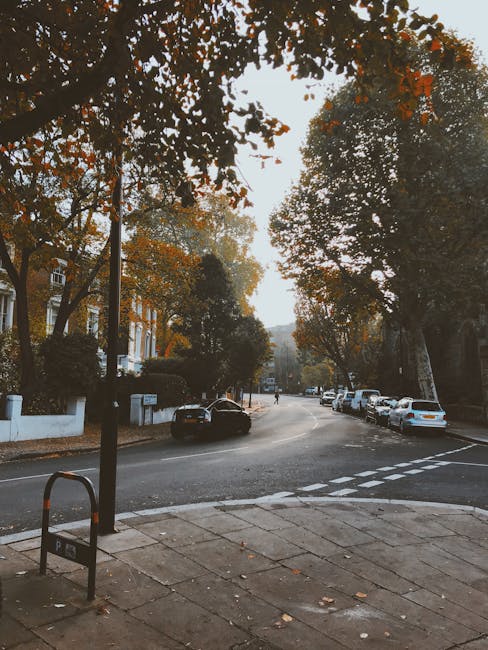
Clissold Park sits in a part of London where residential streets can be lovely to live on and awkward to move through. That combination is exactly why careful planning matters. Narrow roads, parked cars, corner turns, and short loading windows all create friction. Add in stairs, shared entrances, and the occasional impatient driver behind you, and you can see why a move here needs a bit more thought than average.
For many households, the issue is not the distance of the move. It is the access. Can a van stop safely near the front door? Will the furniture fit through the hallway? Is there enough room to turn a corner without scraping a wall or banister? These are small questions, but they decide whether the day feels smooth or slightly chaotic.
There is also the stress factor. People underestimate how tiring it is to keep carrying boxes down a narrow stairwell while watching for cyclists, delivery riders, and neighbours trying to get past. A move that starts with a bit of confident planning usually ends with fewer delays, fewer surprises, and less chance of someone muttering "well, that could have gone better."
If you are moving a flat, a family home, or even a room-by-room student move, local knowledge helps. That is one reason many people compare options like flat removals in Upper Clapton and house removals for larger properties before they settle on a plan.
How Clissold Park area moves: Narrow-street removal tips E5 Works
A successful narrow-street move works in layers. First, you prepare the property. Then you choose the right vehicle and access strategy. After that, you load in a deliberate order so the fragile and awkward pieces do not get trapped behind the heavy ones. Simple in theory. Less simple on a rainy morning when the pavement is half full and the sofa has developed opinions.
The process usually starts with a quick access check. Measure doorways, stair widths, lift access if relevant, and the distance from the property entrance to the nearest sensible loading point. In E5, a few metres can make a difference. A van parked slightly further away might sound harmless, but on a tight street it can mean extra carrying time, more physical strain, and more chance of a snag.
Next comes route thinking. It helps to decide where the van will approach from, where it can legally and safely pause, and whether one-way streets or local traffic patterns will affect the move. If a property is in a particularly tight spot, a smaller vehicle or a shuttle-style approach may work better than trying to force a larger van into an unsuitable road.
Then there is loading order. The right load plan puts heavy items low and secure, keeps fragile items separate, and leaves quick-access items near the door of the van. If you are moving a mix of furniture and boxes, this is where a good packing plan becomes valuable. A helpful companion read is packing for a stress-free move, which fits neatly with the practical side of access planning.
For awkward items, technique matters too. Heavy lifting is not just about strength; it is about balance, foot placement, and keeping the load close to the body. That is why guides like kinetic lifting basics and solo heavy lifting techniques can be genuinely useful before moving day.
Key Benefits and Practical Advantages
Good narrow-street planning does more than prevent headaches. It improves the whole move in ways that are easy to feel on the day.
- Less wasted time: When the parking and loading plan is settled in advance, the team can start moving rather than circling the block.
- Lower risk of damage: Fewer awkward turns, fewer rushed carries, and fewer chances of scraping furniture on tight walls or door frames.
- Reduced physical strain: Shorter carrying distances and better item handling make the work safer and more manageable.
- Better neighbour relations: A tidy, controlled loading setup is much less annoying for residents who still need to get in and out.
- More predictable timing: Predictability matters when access is tight, especially if you are juggling keys, cleaners, or handover appointments.
There is also a quieter benefit: confidence. Once you know the van can access the property and the plan makes sense, the whole move feels less like guesswork. That confidence is worth a lot when you're standing in a hallway full of boxes at 8:15 in the morning.
For people moving valuables, a well-organised load also supports safer transport. If you're storing items between properties, you may also want to read storage options in Upper Clapton and the practical advice in how to keep a sofa in good condition during storage.
Who This Is For and When It Makes Sense
This kind of planning is useful for anyone moving in or around the Clissold Park area, but it becomes especially important in a few common situations.
First-time movers often need the most guidance. If you have never tried to move furniture through a narrow stairwell or along a parked-up residential street, it is easy to underestimate the time and effort involved.
Flat movers in period conversions, maisonettes, or upper-floor homes need to think carefully about stair access, bannisters, and item dimensions. Sometimes a mattress or wardrobe looks fine in the room but turns into a puzzle at the landing. The article on bed and mattress relocation is especially handy here.
Families moving larger homes usually care about pace and control. A narrow street can slow down the whole operation, so it helps to prepare children's items, kitchen boxes, and everyday essentials early.
Students and shared-house movers often need something fast, flexible, and cost-aware. If that sounds familiar, student removals in Upper Clapton can be a sensible starting point.
People with specialist items such as pianos, oversized sofas, freezers, or fragile mirrors should also slow down and plan carefully. Some objects really do need specialist handling. A piano, for example, is rarely a "just the two of us" item. For that, take a look at piano removals support and the related guide on why professional piano relocation makes sense.
Step-by-Step Guidance
Here is a practical way to approach a narrow-street move in E5 without overcomplicating it.
- Survey the access route. Walk from the property entrance to the street and note steps, tight corners, parked cars, low branches, or anything that could slow the move.
- Measure the awkward items. Don't rely on guesswork. Check the height, width, and depth of large furniture, especially wardrobes, sofas, beds, and white goods.
- Choose the right vehicle size. Bigger is not always better on narrow roads. Sometimes a smaller removal van is the smarter option because it can stop more easily and reduce local disruption.
- Pack by loading logic, not by room chaos. Keep the items you need first close together and label clearly. If you unpack by room, fine, but load by weight and fragility.
- Protect the property. Use covers, blankets, and corner protection on doors or bannisters where needed. It only takes one clumsy turn to leave a mark.
- Load in sequence. Heavy boxes and appliances go first, then furniture, then fragile or essential items in a secure position where they won't shift.
- Keep a clear path. Don't let boxes pile into the hall. A clear walkway makes the process safer and faster.
- Prepare a small essentials bag. Keys, phone charger, water, wipes, snacks, paperwork, and basic tools should travel with you, not disappear under a mountain of cardboard.
That last point sounds obvious, but people forget it all the time. Moving day has a way of making sensible adults act a bit like headless chickens. Happens.
If you want a more complete moving prep routine, the guide to stress-free house moving and the article on pre-move decluttering can help you reduce the load before the van even arrives.
Expert Tips for Better Results
Small decisions make a big difference in a narrow-street move. Here are the tips that tend to matter most in real life.
Use staggered timing if the street is busy
If the road fills with school runs, delivery vans, or commuter traffic at certain times, move your schedule. Early starts often work better than mid-morning starts in busy residential pockets. Less conflict, less waiting around, and usually less stress.
Pre-wrap awkward furniture edges
Scratched skirting boards and chipped table corners are common in narrow hallways. Use moving blankets, stretch wrap, or corner protectors before you start carrying. A sofa with sharp legs or a heavy cabinet with brittle edges can cause more damage than you'd think.
Break the job into zones
Don't treat the move as one giant task. Think in zones: upstairs, downstairs, hallway, van, destination. This keeps the job manageable and stops people blocking each other on stairs.
Plan for the "one thing that won't fit"
There is nearly always one item that refuses to cooperate. A bed base that won't turn, a freezer door that needs removing, a wardrobe that needs a different angle. Good movers plan for that moment instead of pretending it will magically behave. If you need freezer-specific advice, see safe freezer storage tips.
Keep communication simple on the day
One person should direct the move. If everyone is giving instructions at once, things slow down. A clear "lift," "pause," or "careful on the turn" is usually enough. No drama required.
For heavier or more delicate furniture, it can be worth comparing options. In some cases, a specialist furniture move is easier than a general-purpose approach, which is why pages like furniture removals in Upper Clapton are useful to review before booking.
Common Mistakes to Avoid
Narrow streets expose weak planning quickly. A move that seems fine on paper can unravel over surprisingly small mistakes.
- Booking a van that is too large: This can create parking issues and make loading harder than it needs to be.
- Ignoring stairwells and corners: Lots of people measure rooms and forget the route out. The route is often the real problem.
- Packing too late: Last-minute packing leads to weak boxes, poor labels, and a more chaotic load order.
- Leaving parking arrangements until the morning: In a place with limited street space, that is asking for trouble.
- Trying to lift everything solo: Some items are just not worth the risk. Use the right help.
- Not protecting walls and doors: One careless bump can cause avoidable damage.
- Forgetting the destination access: The move isn't finished just because the van leaves the old street.
One slightly annoying but common issue is overconfidence. "It'll be fine" is not a plan. It's a hope. And hope is lovely, but it won't help you pivot a wardrobe around a tight landing.
Tools, Resources and Recommendations
You do not need every gadget under the sun, but a few tools make narrow-street removals much safer and calmer.
| Tool or Resource | Why It Helps | Best Used For |
|---|---|---|
| Furniture blankets | Protects edges, doors, and finished surfaces | Sofas, tables, wardrobes, cabinets |
| Ratchet straps | Secures items in the van so they do not shift | Heavy or tall furniture |
| Hand truck or dolly | Reduces strain on longer carries | Boxes, appliances, and bulkier loads |
| Furniture sliders | Makes it easier to move items across floors | Heavy items on hard flooring |
| Strong labels and tape | Keeps the move organised and saves time when unloading | Room-labelled packing systems |
If you are still gathering supplies, packing supplies and boxes in Upper Clapton is a sensible place to look. It's also worth reading the practical advice in how to clean before moving out, because a tidy handover helps at the end of a very long day.
For people balancing timing, cost, and security, it can help to look at pricing and quotes as part of the planning process, rather than leaving it to the last minute. No one likes surprise costs. No one.
Law, Compliance, Standards, or Best Practice
For most domestic moves, the key compliance issues are practical rather than complicated. You are mainly dealing with safe loading, sensible parking, and respecting property and neighbours. But in London, and especially in tighter residential streets, it still pays to follow local rules and common-sense best practice carefully.
That means checking whether any parking restrictions, loading limitations, or permit requirements apply to the road you are using. Rules can vary by location and council area, so it is sensible to verify details directly rather than assume. If a bay suspension, access restriction, or timed loading space is involved, plan early. Last-minute assumptions tend to go badly. Usually loudly, too.
On the safety side, reputable movers should work with appropriate manual handling practice, use equipment correctly, and take care around hazards such as stairs, wet surfaces, loose cables, and awkward loads. If you're comparing providers, a clear health and safety policy and a transparent insurance and safety approach are worth reading before booking.
There is also a broader best-practice point: respect the street. Keep access clear, avoid blocking driveways, and communicate politely if you need a moment to reposition. A calm move usually earns a calm response from neighbours. Sensible, really.
Options, Methods, or Comparison Table
Not every move in the Clissold Park area needs the same approach. The best choice depends on property type, furniture volume, and how tight the street access is. Here's a simple comparison.
| Method | Best For | Pros | Trade-Offs |
|---|---|---|---|
| Full removal service | Family homes, complex access, larger loads | Most support, less stress, more organised handling | Usually the highest-cost option |
| Man and van | Smaller moves, flats, partial loads | Flexible, practical, often quicker to arrange | May need more preparation from you |
| Self-move with hire van | Very hands-on movers with time and help | Can be budget-friendly if well planned | More risk, more effort, more responsibility |
| Specialist item move | Pianos, antiques, heavy or delicate furniture | Better protection for awkward items | Needs careful scheduling and the right expertise |
For many local residents, the most sensible route is somewhere between a full service and a more focused moving solution. If you want to understand the wider support available, removal services in Upper Clapton can help you match the job to the right level of assistance.
Case Study or Real-World Example
Here's a realistic example based on the sort of move that comes up often in this part of London.
A two-bedroom flat near Clissold Park needed moving on a weekday morning. The street was narrow, parked cars lined both sides, and the front door opened into a tight hallway with a turn on the first landing. The residents had a sofa, a bed frame, several book boxes, a freezer, and a couple of fragile items they did not want jostled around.
Instead of sending in a large van and hoping for the best, the move was broken down into stages. The van arrived early, before traffic built up. The larger furniture was measured beforehand, and the loading order was planned so the sofa and bed frame went in first, with boxes layered around them. A couple of items were wrapped in blankets for the stair carry. Simple, but effective.
What made the difference was the access thinking. Because the loading point had been checked in advance, the team did not waste time circling the area looking for a space. The move still took effort - let's not pretend it was effortless - but it stayed controlled, and the residents were able to settle in without the usual sense of panic.
If you are dealing with similar furniture, it may also help to read the guides on moving beds and mattresses and protecting sofas during storage. Those two items alone cause more moving-day arguments than most people expect.
Practical Checklist
Use this checklist before the van arrives. It will save you from a lot of small, annoying problems.
- Measure doorways, stair turns, and the biggest items
- Check street access and likely parking space in advance
- Confirm the moving date and arrival time clearly
- Label boxes by room and priority
- Pack a separate essentials bag for the first 24 hours
- Protect floors, doors, and bannisters where needed
- Use blankets or wrapping on fragile furniture edges
- Keep hallways and stairs clear during loading
- Set aside tools for dismantling and reassembly
- Plan how you will handle bulky items like mattresses, sofas, or appliances
- Check whether storage is needed between properties
- Review safety, insurance, and payment details before booking
And if you do end up needing somewhere temporary for your belongings, local storage support can take some pressure off the schedule.
Conclusion
Clissold Park area moves are manageable, even in narrow E5 streets, when you treat access as part of the move rather than an afterthought. That means measuring properly, choosing the right vehicle, packing with logic, and protecting both the property and the people doing the lifting. A little planning goes a long way here.
The best moves in this area are rarely the flashiest ones. They are the calm, organised, slightly unglamorous ones where every box has its place and nobody is left standing in the doorway wondering what happens next. If you want your move to feel that steady, the safest move is to start early and keep the plan simple.
Get a free quote today and see how much you can save.
Whether you are moving a flat, a family home, or just a few awkward items, the right support can make the whole day feel much lighter. And honestly, that's the bit people remember most.
![A scenic view of Clissold Park featuring a paved pathway running alongside a calm, reflective lake. Several large, leafless trees line the path and lake edge, with their branches extending outward. A person is seated on a bench near the water, possibly relaxing or waiting, while another figure is seen walking along the pathway. The park's lush green grass borders the paved walkway, and in the background, there are trees and distant buildings visible across the lake. The lighting suggests an overcast day, ideal for home relocation planning or packing preparations, with no visible furniture or moving equipment present. This tranquil park setting offers a quiet environment suitable for local house removals and furniture transport activities, as supported by [COMPANY_NAME]’s services in the Clissold Park area.](/pub/blogphoto/clissold-park-area-moves-narrowstreet-removal-tips-e53.jpg)