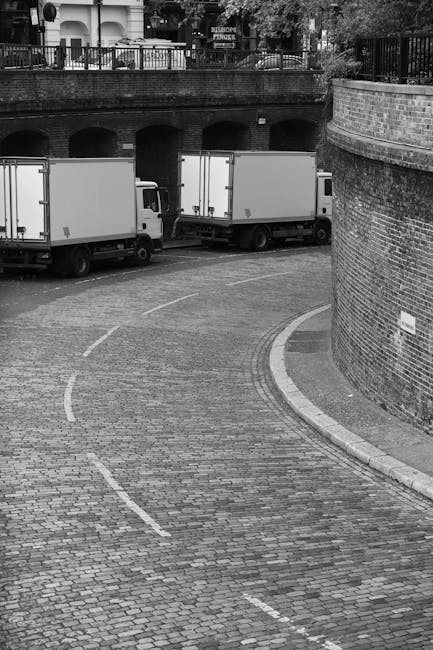
Upper Clapton Road loading and van route tips for removals

Moving in London is rarely just about boxes and muscle. On Upper Clapton Road, the real challenge is often the space between the pavement, the kerb, and the van door. If you are trying to plan Upper Clapton Road loading and van route tips for removals, you probably want the practical stuff: where to stop, how to avoid awkward delays, which routes are less painful, and how to keep the move calm when traffic is doing its usual London thing.
This guide is built for exactly that. It covers loading access, route planning, timing, van choice, packing order, and the common snags that catch people out. You will also find a checklist, a comparison table, and a realistic example so you can turn the plan into action without guesswork. Truth be told, the smoothest removals usually come down to a few small decisions made early.
Why Upper Clapton Road loading and van route tips for removals Matters
Upper Clapton Road sits in a part of London where moving day can become complicated very quickly. It is a busy route, with all the usual urban realities: parked cars, narrow loading gaps, pedestrians moving around bins and front doors, and traffic that can change from flowing to frustrating in a matter of minutes. If your van arrives late, stops in the wrong place, or blocks access for too long, a simple move can snowball into extra lifting, more waiting, and a lot of unnecessary stress.
Good loading and route planning matters because removals are a chain of small tasks. If one link slips, the whole move slows down. For example, if the van has to park two doors away, every heavy item suddenly needs a longer carry. That does not just cost time; it increases the chance of knocks, dropped corners, and tired legs. Nobody wants to be carrying a wardrobe in the rain at 5:30pm while trying to wave cars around. Been there, not fun.
It also matters because local knowledge saves money. A route that looks simple on a map may be awkward in real life, especially if you are moving at a peak hour or have a larger removal van. The right plan can mean the difference between one efficient loading run and three annoying back-and-forth trips.
For anyone comparing help from removal services, or trying to decide whether a man and van style move is enough, understanding the street layout is a genuine advantage. It makes the service more predictable, and honestly, predictability is gold on moving day.
How Upper Clapton Road loading and van route tips for removals Works
The basics are straightforward. First, you plan how the van will approach the property. Then you decide where it can safely and legally pause for loading. After that, you sequence the items so the biggest or most awkward pieces go in first, and the rest follow in a logical order. If the route is tight, the van may need to approach from one side rather than the other, simply to make reversing, turning, and unloading easier.
In practical terms, this means looking at four things before moving day:
- Access to the front door - how far the van will be from the property.
- Kerb space - whether there is enough room to stop without causing a problem.
- Vehicle size - whether a smaller removal van would be easier than a larger truck.
- Time of day - whether school runs, commuter traffic, or delivery vans will slow everything down.
That may sound obvious, but a lot of removals are planned around the contents of the house and not the street outside it. In London, the street can be the whole story. If a double sofa fits the property but not the timing, not the route, and not the loading space, it becomes the awkward bit everyone remembers.
When a professional driver plans the route, they are usually balancing convenience, safety, and flow. In removals, the best route is not always the shortest one. Sometimes a slightly longer approach is faster because it avoids tight turns, blocked lanes, or a point where the van would be forced into a poor stopping position. To be fair, that is the sort of thing you only learn after a few moves, or after one very slow morning in traffic.
If you need a larger vehicle, a moving van or even removal van can work well, but only if the road allows practical access. For heavier or larger loads, it can also be worth looking at moving truck or removal truck hire options, though bigger is not automatically better on a road with limited stopping space.
Key Benefits and Practical Advantages
The biggest benefit of proper loading and route planning is simple: the move feels controlled. When the van is in the right place and the route has been thought through, people can focus on the boxes, the fragile items, and the practical handover rather than scrambling for last-minute fixes.
Here are the main advantages:
- Less carrying distance - which means fewer trips, less fatigue, and lower risk of damage.
- Better timing - because the van is less likely to get stuck behind avoidable congestion.
- Safer handling - especially for bulky furniture, awkward appliances, and fragile items.
- Cleaner street management - which helps reduce disruption for neighbours and pedestrians.
- More accurate quoting - since a route and access plan help a provider estimate time more fairly.
There is also a quieter benefit that people often miss: less decision fatigue. On move day, people are already juggling keys, paperwork, family, and all the little unknowns. If the van route and loading position are already sorted, one major source of mental clutter disappears. That matters more than people think.
For a home move, that can mean the process feels much closer to a standard, well-run job. If you are booking home moves or comparing house removals, route planning should sit right alongside packing and scheduling. It is not an extra. It is part of the job.
Who This Is For and When It Makes Sense
This topic is useful for a wide range of movers, but especially for people dealing with tight London streets and limited loading access. If your home, flat, office, or storage unit sits near Upper Clapton Road, the chances are high that access planning will matter.
It makes sense if you are:
- moving out of a flat with no private driveway
- working with bulky furniture or white goods
- booking a smaller van and need to make every trip count
- moving during peak traffic periods
- trying to avoid upsetting neighbours or causing a blockage
- coordinating a same-day pick-up and drop-off
It is also relevant for business moves. Office relocations have a habit of involving more boxes than people expect, plus monitors, chairs, filing, and a lot of small items that must stay in order. If you are managing office removals or broader commercial moves, route and loading plans help keep staff disruptions down and keep the day moving.
And yes, if you are just shifting a sofa or a few pieces of furniture, the same logic still applies. A one-van move can go sideways if the stop point is bad. Not glamorous, but true.
Step-by-Step Guidance
Below is a practical way to plan the move so you are not making decisions with the back doors open and everyone waiting.
1) Check the exact loading point
Stand outside the property and look at where the van can safely stop. Ask yourself: can it pull in without blocking too much of the road? Can the doors open fully? Will there be enough room for trolleys, dollies, or two people carrying together?
If the answer is unclear, keep the stopping point simple. A straightforward, legal, low-hassle position is usually better than trying to squeeze into the "perfect" spot that turns out not to work at all.
2) Decide which vehicle size actually fits the street
People often choose the van based on the volume of belongings alone. That is only half the picture. The road itself matters too. A compact man with a van setup may be easier in a tight area than a larger load space, while a larger moving truck may be more efficient if access is generous and parking is manageable.
One useful rule of thumb: if the street is awkward, choose the vehicle that makes the loading process calmer, not just the one with the biggest box.
3) Plan the route around traffic, not just distance
On a map, the shortest path can look tempting. In real life, a route with fewer stressful turns and fewer places to queue can be quicker. If possible, avoid pinch points at busy times and think about where the van will need to turn, reverse, or wait.
A good route is one that gives the driver space to breathe. It sounds odd, but that space matters. A relaxed arrival usually means a smoother unload.
4) Load in the order you will need the items
Put heavy and awkward items in first, but do not bury the essentials. The last box loaded should not be the kettle, charging cables, or the bag with keys and paperwork. Keep the things you need first near the door or somewhere easy to reach.
If you are using packing and unpacking services, ask the team to label essentials clearly. That tiny bit of order saves a surprising amount of time later.
5) Build a fallback plan
Things do go a bit sideways sometimes. A neighbour may park in the ideal spot, a delivery van might block the loading point, or traffic may arrive out of nowhere. If that happens, know the nearest backup stopping point and the best way to adjust the sequence of loading.
It is one of those unexciting bits of planning that prevents a stressful moment from becoming a messy one.
Expert Tips for Better Results
There are a few small habits that make a big difference, and they come from watching what actually slows moves down.
- Start earlier than feels necessary. London timing can shift quickly. Even a 15-minute head start can make parking and loading easier.
- Use labels that mean something. "Kitchen - fragile" is better than "misc.". "Open first" is even better.
- Measure awkward items. If a wardrobe, mattress, or table is a tight fit, measure before move day. It avoids a lot of silent frustration.
- Keep a clear walkway. The entrance hall should not become a storage unit. That sounds obvious, yet it happens constantly.
- Protect floor and door edges. A bit of care here stops the familiar bump-scratch-bump routine that nobody enjoys.
In our experience, the best removals are rarely the most dramatic or the fastest. They are the ones where each person knows the order of play. Load here, park there, unload next. Simple. Boring, even. But brilliant.
If you are comparing providers, it can help to look at the wider service too. A reliable removal company or team of movers should be able to discuss access, vehicle choice, and timing without sounding vague. That is usually a good sign.
Common Mistakes to Avoid
Some moving mistakes are expensive. Others are just irritating. The problem is that on move day, the irritating ones can still derail your timetable.
- Choosing the van before checking access. A large vehicle may be fine for the load but awkward on the road.
- Assuming parking will work itself out. It rarely does. Especially not in London.
- Leaving the packing until the night before. That is how fragile items get bundled badly and essentials disappear.
- Blocking the first exit path. If the items at the front of the property are not planned properly, loading slows down immediately.
- Forgetting the return route. You need to think about the route back as well as the route in.
There is also a subtler mistake: overcomplicating the day. People sometimes create a plan with too many moving parts, too many "maybe" options, and too many people giving instructions. Keep the plan clean. One driver, one lead contact, one loading sequence. The rest can follow.
Tools, Resources and Recommendations
You do not need fancy equipment to make this work, but a few practical tools help a lot. A hand trolley or sack truck can save a surprising amount of effort if there is a short carry between the property and the van. Furniture blankets, straps, gloves, and sturdy boxes are also worth having ready.
For route planning, the best resource is often simple observation. Look at the road at the same time of day as your move if you can. Is it calm at 9:00am but hectic at school run time? Is there a busier stretch near a junction? Those little details matter more than people expect.
If you are moving on a tighter budget, it can be worth looking at pricing and quotes early so you can match the vehicle and service level to the route conditions. Sometimes paying for the better-fit option is cheaper than making a too-small choice that turns into extra journeys.
For customers who want a straightforward all-in-one approach, man and van removals can be a practical middle ground. If you need something a little more structured, removals and removals van options may suit a fuller home move better.
Law, Compliance, Standards, or Best Practice
When a van is loading on a public road, you are not just thinking about convenience. You also need to think about safe, lawful stopping, sensible loading practice, and respect for other road users. The exact local parking and loading rules can vary by location and timing, so it is sensible to check the current local restrictions before move day rather than assuming the kerb is free to use.
From a practical UK removals perspective, the main best-practice points are simple:
- do not block access, driveways, or pedestrian routes unnecessarily
- keep lifting safe and controlled
- secure items properly inside the vehicle
- use suitable equipment for heavier or awkward items
- treat insurance, safety, and documentation as part of the service, not an afterthought
That last point matters. If you are booking help, it is wise to check the provider's approach to insurance and safety and read their health and safety policy if you want added reassurance. It is not about being difficult. It is about being sensible.
For other customer-facing details, such as payment handling or service expectations, it may also help to look at payment and security and terms and conditions. Clear information up front tends to make moving day smoother for everyone.
Options, Methods, or Comparison Table
Different move types suit different road conditions. Here is a simple comparison to help you decide.
| Option | Best for | Pros | Watch-outs |
|---|---|---|---|
| Man and van | Smaller moves, short carry distance, flexible loading | Easier on tight streets, often quick to organise | May need more trips if the load is larger than expected |
| Removal van | Typical home moves and mixed loads | Good balance of space and manoeuvrability | Still needs realistic kerb access and parking space |
| Moving truck | Larger home or business moves with easier access | Can reduce the number of journeys | Less forgiving on narrow roads or tight turning points |
| Full removal service | Busy households, larger furniture, or office moves | More hands, better coordination, less stress | Needs stronger planning, and timing matters more |
If you are uncertain, choose the option that best fits the street first, then the volume second. That is the bit people overlook. A van that suits the road but makes two extra trips can still be the right call if it saves half an hour of awkward manoeuvring. Not glamorous, but efficient.
Case Study or Real-World Example
Imagine a small family moving from an upper-floor flat near Upper Clapton Road to a house a few miles away. They have a sofa, two beds, a dining table, several boxes of books, a washing machine, and the usual pile of things that seemed smaller a week ago. There is no private drive, just street parking and a narrow loading area outside the building.
Instead of sending a large vehicle at a busy time, the move is arranged for earlier in the day. The team checks the likely stop point, agrees where the van can wait safely, and loads the largest items first. The sofa goes in before the lighter boxes, the mattress is secured flat, and the essentials bag is kept within easy reach. Because the route has been planned to avoid the worst of the traffic, the van arrives without stress and the first unload is quick.
What made the difference? Not brute strength. Not luck. Just a few sensible choices: vehicle size, timing, loading order, and a realistic route. That is the pattern you see again and again in successful moves.
For larger household jobs, this kind of planning often works best alongside experienced house movers or house removalists. For one-off items, like a sofa or bed frame, something simpler such as furniture pick up can be enough.
Practical Checklist
Use this before the van arrives. It keeps the day tidy, which is more useful than it sounds.
- Confirm the loading point outside the property
- Check whether the vehicle size suits the road
- Plan the route for traffic and turning space
- Label boxes clearly, especially fragile or essential items
- Keep keys, documents, and chargers in one bag
- Protect floors, door frames, and corners
- Have straps, blankets, and a trolley ready if needed
- Tell neighbours or building management if access may be tight
- Build in a little time buffer, because London likes to test plans
- Check provider details on safety, pricing, and insurance
Expert summary: The easiest removals on Upper Clapton Road are usually the ones where the loading point is clear, the vehicle size matches the street, and the route is planned around real traffic rather than ideal traffic. Small decisions, big difference.
If you want help turning that checklist into a proper moving plan, it is worth speaking to a local team that understands the area and the pressure points. A quick chat before the move can save a lot of hassle on the day, and that alone is worth it.
Get a free quote today and see how much you can save.
Conclusion
Upper Clapton Road loading and van route tips for removals come down to one idea: make the street work for you, not against you. When you think about access, timing, vehicle size, and loading order together, the move becomes simpler, safer, and far less draining.
There is no magic trick here. Just careful planning, a bit of local awareness, and a realistic view of what the road can handle. Get those things right and the move tends to feel much lighter, even if the boxes are not. And that is usually what people want most on the day: a bit of calm, a bit of control, and a finish that feels steady rather than frantic.
One last thought: if your move feels like it might be awkward, that is exactly when planning helps the most. You do not need perfection. You just need a sensible route, a workable loading spot, and the confidence that the job has been thought through.
Frequently Asked Questions
What is the best time of day for removals on Upper Clapton Road?
Earlier in the day is often easier because traffic, parking pressure, and general street activity are usually lower. That said, the best time depends on your exact property and route. A calm 8:00am load can be far smoother than trying to work around the afternoon rush.
How do I know if a van can stop safely for loading?
Look for a place where the van can stop without blocking driveways, crossings, or the main flow of traffic. The doors need enough space to open properly, and you should have room to move items without squeezing past mirrors or parked cars.
Is a man and van service enough for a small flat move?
Often, yes. If you have a modest number of items and the route is manageable, a smaller setup can be ideal. It is especially useful when access is tight and you want something flexible rather than oversized.
Should I choose a bigger van to save time?
Not always. A larger vehicle may carry more, but if it is harder to park or manoeuvre on the road, the move can actually take longer. The best choice is the one that suits both the load and the street.
How can I make loading faster on moving day?
Label boxes clearly, keep essentials separate, create a clear walkway, and load the biggest items in a sensible order. Having everything ready before the van arrives makes a big difference. The clock really does move fast once the doors open.
What if parking is limited near my property?
Plan a backup stopping point and think through the carry distance in advance. If parking is very tight, tell the removals team early so they can decide whether a different vehicle, different arrival time, or different route would work better.
Are there special considerations for office removals on this road?
Yes. Office moves usually involve more boxes, more equipment, and more people waiting for the transfer to finish. Route planning matters even more because staff downtime and access disruption are part of the picture. A calm arrival is worth a lot.
What should I keep with me rather than in the van?
Keep keys, essential documents, valuables, chargers, and anything you will need immediately at the new place. A small bag with those items saves rummaging later, which is one of those little wins that feels huge at 9pm.
How do I avoid damage during loading?
Use protective wrapping, blankets, and straps, and keep heavier items stable against the van walls. Avoid rushing the lift. Most damage happens when people hurry through awkward corners or carry too much at once. Slow is often safer.
Do I need to worry about safety and insurance?
Yes, especially with heavier furniture, busy roads, and public loading areas. It is sensible to check the provider's approach to safety, equipment, and insurance before booking. That way you know the basics are covered if anything unexpected happens.
Can removals help with just one or two furniture items?
Absolutely. A smaller pick-up can be the right option for a bed, sofa, wardrobe, or other bulky item. For that kind of job, furniture collection services are often more practical than arranging a full house move.
What is the biggest mistake people make on moving day?
Underestimating access. People focus on the boxes, but the road and loading point often decide how easy the day will be. If you get the access plan right, everything else usually feels much more manageable.