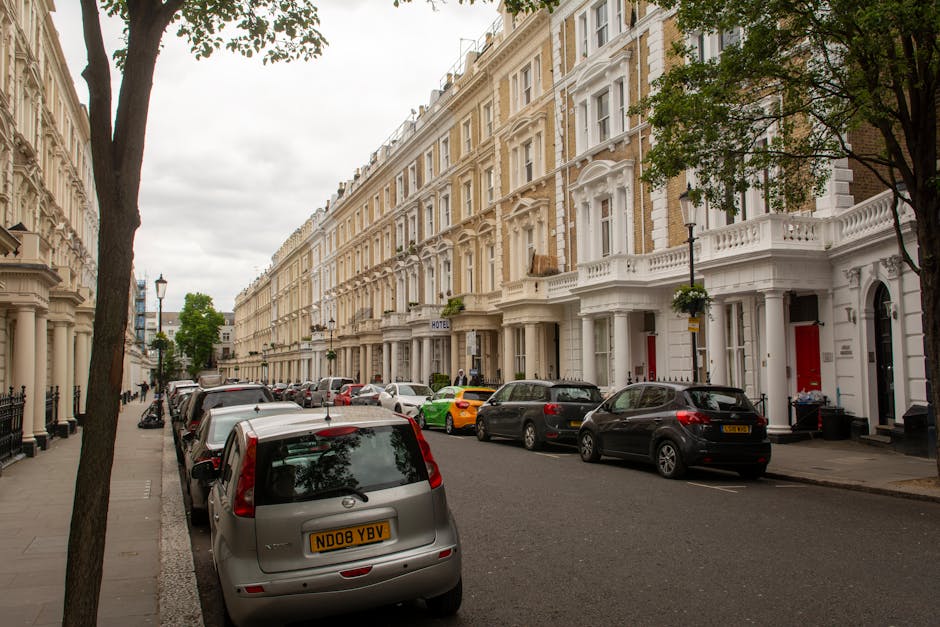
Parking, loading and fines near Clapton Pond: legal guide
Posted on 29/07/2026
If you are planning a move, a delivery, or even a quick furniture drop-off, parking around Clapton Pond can be the part that throws everything off. One minute you are timing your arrival, the next you are staring at a narrow street, a busy junction, and a van that has nowhere sensible to pause. That is exactly why this Parking, loading and fines near Clapton Pond: legal guide matters. It is not just about finding a space. It is about knowing what is allowed, what is risky, and how to keep your day moving without a nasty fine landing later. Truth be told, the rules can feel a bit unforgiving if you guess your way through them.
This guide breaks the topic down in plain English. You will learn how parking and loading usually work in the Clapton Pond area, what the common enforcement risks are, how to plan a lawful loading stop, and what practical steps reduce the chance of a penalty. If you are moving bulky items, you may also find it useful to read about moving large items down narrow Clapton streets and Hackney Council permit rules for moving vans, because the parking question and the moving question are usually the same problem in different clothing.
Let's face it, most parking mistakes near a busy local landmark happen because people are rushed, not reckless. A little planning goes a long way.
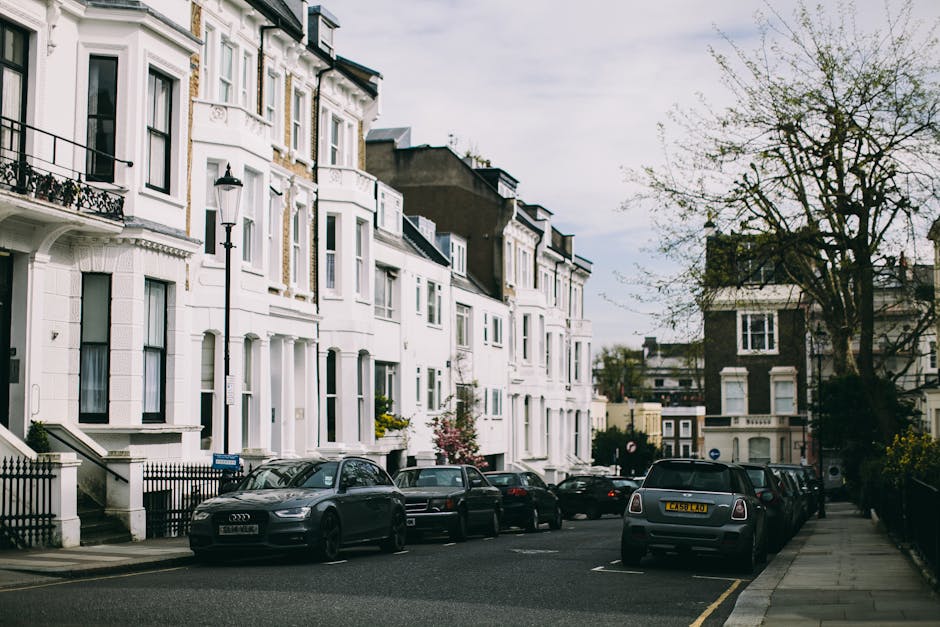
Why Parking, loading and fines near Clapton Pond: legal guide Matters
Clapton Pond sits in a part of London where space is precious and traffic can become awkward very quickly. On one street you might have a few minutes of calm; on the next, a bus, a cyclist, a delivery van and a resident all need the same patch of road. That makes parking and loading decisions more than a convenience issue. They can affect safety, access, neighbour relations, and whether you end up with a ticket.
The biggest reason to understand the rules is simple: loading is sometimes allowed where ordinary parking is not, but only if you do it correctly and within the local restrictions. That distinction is what catches people out. A van parked with hazard lights on is not automatically "legal because we are only unloading". A short stop can still trigger enforcement if it blocks traffic, sits in a restricted bay, or ignores a local restriction that applies at that time of day.
Near a place like Clapton Pond, many moves are time-sensitive. People are often working around a lift booking, a tenancy handover, or a same-day delivery window. That pressure makes fine avoidance even more important. A GBP0 solution planned properly is a lot better than paying to reverse a bad decision after the fact. And yes, that sounds obvious. Under stress, though, obvious things are exactly what slip.
How Parking, loading and fines near Clapton Pond: legal guide Works
At a practical level, parking and loading rules are usually a mix of road markings, nearby restrictions, and how long the vehicle is stopped. The legal idea is not "can I stop here?" in the abstract. It is "can I stop here, for this purpose, at this time, without breaching a restriction or causing an obstruction?" That is the bit people miss.
For loading and unloading, enforcement officers often look at a few things:
- whether the stop was genuinely for loading or unloading;
- whether the activity was continuous and reasonably active;
- whether the vehicle was causing an obstruction;
- whether any specific bay restriction or time limit applied;
- whether the driver stayed nearby and could show the stop was work-related.
That does not mean you can treat the road like a private loading dock. It just means a properly documented, short, active loading stop may be treated differently from ordinary parking. If you leave the van unattended for ages while someone is "just popping upstairs", that is where the risk starts to rise. A bit of realism helps here. Enforcement does not wait around for a story; it looks at what happened on the street.
In moving situations, the most useful approach is to treat the parking side and the loading side as one plan. Start with where the van can lawfully stop. Then decide how the boxes, furniture, or appliances will be moved quickly and safely. The move should fit the road, not the other way around.
If the job is more physically demanding than it first looks, it can help to read how kinetic lifting works in practice and safe solo heavy lifting techniques, because bad lifting choices often slow a loading stop enough to turn it into a problem.
Key Benefits and Practical Advantages
Planning parking and loading properly does more than avoid fines. It makes the whole day calmer. You get fewer delays, less lifting carried too far, and fewer awkward conversations with residents who are trying to get past your van. Small thing, but it matters.
The main benefits are straightforward:
- Lower fine risk: You reduce the chance of a PCN or other enforcement action.
- Faster loading: A lawful stop that is close enough to the property saves walking time.
- Less physical strain: Shorter carries mean lower risk of dropped items or injuries.
- Better neighbour relations: Fewer blocked entrances and less frustration for everyone nearby.
- Smoother scheduling: Timed properly, the move or delivery is far less likely to overrun.
There is also a financial upside that is easy to underestimate. A small amount of planning can save the cost of a penalty, extra parking time, and sometimes the knock-on cost of a delayed crew or missed slot. If you are comparing how much planning matters versus how much it costs to do it properly, understanding removal quotes in Upper Clapton is a good companion read, because transport and parking risks often show up indirectly in the quote.
Who This Is For and When It Makes Sense
This guide is useful for almost anyone moving items near Clapton Pond, but especially for people whose stop is short, tight, or under pressure.
- Residents moving in or out of flats and maisonettes
- Students with limited time and lots of boxes
- Families shifting furniture, white goods, or storage items
- Businesses relocating stock, files, or office furniture
- Man and van drivers doing local collections or deliveries
- Anyone planning same-day removals with very little margin for error
It also makes sense if your move involves awkward items. A mattress, a sofa, a freezer, or a piano changes the loading plan quite a bit. For example, a piano move is rarely just about strength; it is about route, vehicle access, and whether the stop itself is practical. That is why pages like bed and mattress relocation advice and piano relocation guidance are helpful alongside parking planning.
If you are only shifting a couple of bags, this may all sound a bit much. Fair enough. But even a small job can go sideways if the parking is wrong and you have to double back. A five-minute stop can become a thirty-minute faff very quickly.
Step-by-Step Guidance
Here is the sensible way to handle parking and loading near Clapton Pond without guessing.
- Check the exact stopping point before you arrive. Look at the street layout, the bay markings, the kerb, and whether a loading stop would block something obvious like a driveway or junction.
- Decide whether the stop is parking or loading. Be honest about the purpose. If you are just leaving the van for a while, that is parking. If you are actively moving items, it may be loading. The distinction matters.
- Keep the loading active and continuous. Do not leave the van unattended for long stretches. Bring items out in a steady flow. If the work pauses, be ready to move on.
- Use the shortest safe carry route. Plan where items will come from and where they will go. The less time the vehicle sits, the better.
- Watch the time of day. Some streets are easier before school runs, commuter traffic, or peak delivery windows. A 7:30 a.m. arrival can feel very different from 10:30 a.m.
- Have a backup point in mind. If your first choice is blocked, know the next best place before you arrive.
- Document what you are doing. If there is a dispute, notes, photos, or job records can help show the vehicle was there for legitimate loading.
That last point sounds a bit formal, but it is useful. A quick photo of the van position and the items being moved can sometimes help if a ticket is questioned later. Not glamorous, but effective.
If you are still at the planning stage, the article on packing for a stress-free move can help you stage items so the loading phase is cleaner and faster. And if the move is part of a bigger household transition, a stress-free house move is worth a look too.
Expert Tips for Better Results
A few small habits can make a big difference near a busy local spot.
- Load the heaviest items first only if the route allows it. That keeps the van balanced and avoids re-handling bulky things later.
- Pre-stage items near the exit. If possible, get boxes and furniture close to the door before the vehicle arrives.
- Send one person ahead. One person guiding the route and another loading is often quicker than everybody trying to do everything.
- Keep the vehicle moving legally, not creatively. Creative parking is usually just another word for risk.
- Think about neighbours and access. Leaving a clear path for pedestrians is not just polite; it can also reduce complaints and attention.
There is also a practical truth from day-to-day work: the best loading stop is usually the one that makes the whole job simplest, not the one that is technically closest. Sometimes a slightly longer walk is worth it if it means less obstruction and fewer complications. That is not defeat. It is good judgment.
For awkward furniture, it helps to read how to protect a sofa in storage and what to clean before moving out, especially if the move is part of a tenancy handover and timing is tight.

Common Mistakes to Avoid
The same errors come up again and again. Avoid these and you are already ahead of the game.
- Assuming hazard lights make everything okay. They do not. They are a warning light, not a legal shield.
- Confusing loading with waiting. If nobody is actively working, the enforcement risk rises.
- Blocking driveways, corners, or crossings. Even a short stop can become a problem if it obstructs movement.
- Leaving the van too far away "just for a minute". That extra minute can become a fine or a neighbour complaint.
- Not checking for local restrictions at the exact time of use. Time-based restrictions catch people out all the time.
- Underestimating how long furniture takes. A mattress or wardrobe is never as quick as you hoped. Never.
One common issue is arriving with boxes packed badly, then spending longer on the pavement than expected. If that sounds familiar, pre-move decluttering and better packing habits can cut the loading time dramatically. Less sorting on the street, less risk, less noise.
Tools, Resources and Recommendations
You do not need a huge toolkit to get parking and loading right, but a few simple items help a lot.
- Phone notes: Keep a quick record of arrival time, stop location, and what was being loaded.
- Maps or street-view checks: Useful for understanding the road shape before you arrive.
- Reflective vest or hi-vis: Helpful for visibility when loading near traffic, especially in poor light.
- Furniture blankets and straps: Speed up safe handling and reduce damage.
- Moving trolleys: Useful where the surface and access allow it.
- Labels and tape: Reduce faff when items are moved from van to property or storage.
For local moves, it can also be sensible to choose the right type of support. A small flat move may suit a leaner setup, while a larger move or office relocation may need a more structured plan. Pages such as flat removals in Upper Clapton, house removals, office removals, and man and van support are useful when you need the actual move to match the street conditions.
If storage is part of the picture, you might also want storage in Upper Clapton to reduce pressure on the loading day. Taking some items out of the equation can make parking simpler straight away.
Law, Compliance, Standards, or Best Practice
For anything involving parking and loading on public roads, the safest approach is to follow the local traffic signs, road markings, and restrictions exactly as displayed on site. The law does not reward guesswork. If a restriction applies, it applies. If loading is permitted only under specific conditions, then those conditions need to be met.
In practical terms, best practice usually means:
- only stopping where the vehicle can do so lawfully;
- keeping loading genuinely active and efficient;
- not causing an obstruction to other road users;
- understanding that rules can differ by street and by time of day;
- keeping evidence of your loading activity if a dispute arises.
Where a permit, exemption, or special arrangement is needed, it is better to plan ahead than to try to improvise on the day. That is especially true in a busy part of East London where one wrong stop can affect a whole block. If you are organising a move with extra complexity, the guide to Hackney Council permit rules for moving vans is a useful reference point inside this site's own planning advice.
Also, if your job generates waste, do not assume you can simply leave it nearby. The article on skip hire and disposal rules in Hackney is the safer route to avoid turning a move into a disposal headache.
Options, Methods, or Comparison Table
When people say "I just need to stop for a minute," they usually mean one of three different things. The right approach depends on your job size and street conditions.
| Method | Best for | Risk level | Typical drawback |
|---|---|---|---|
| Short lawful loading stop | Quick collections, small moves, active unloading | Lower if done properly | Requires good timing and constant activity |
| Nearby legal parking with longer carry | Streets with tighter restrictions | Lower legal risk, more physical effort | More walking and slower loading |
| Permit-based or arranged access | Larger moves, repeat use, time-critical jobs | Lower when correctly set up | Needs planning and sometimes extra admin |
In real life, the second option is sometimes the best compromise. You may not get the glamorous "right outside the door" spot, but you avoid the trap of overestimating what is allowed. And, honestly, a slightly longer carry is better than a penalty notice sitting on the windscreen while you are on the third floor with a wardrobe.
Case Study or Real-World Example
A typical Clapton Pond scenario goes like this: a small team arrives to move a one-bedroom flat. The street is busy, spaces are limited, and the original idea was to stop directly outside the building. On arrival, the team sees that the nearest space would block access for another vehicle, and the safer spot is a little further down the road. Not ideal, but workable.
Instead of forcing the first plan, the team adjusts. One person walks ahead and checks the doorway. Another stays with the van. Boxes are pre-labelled, heavier items are split out early, and the route from van to entrance is kept clear. The stop is active, short, and controlled. No wandering off. No dragging the job out. No guesswork.
The result is boring, which is exactly what you want. No fine, no complaint, no awkward reversal. The job still takes effort, of course. There is always a bit of sweat involved. But the day stays on track, and nobody ends up explaining to a parking officer why the sofa was "only there for a second".
Practical Checklist
Use this checklist before you set off.
- Check the road and nearby restrictions before arrival
- Decide whether the stop is loading or simple parking
- Prepare items so they can move quickly from property to vehicle
- Assign one person to stay with the van if possible
- Keep the loading route short, clear, and safe
- Avoid blocking driveways, junctions, and crossings
- Keep the stop active and do not leave items unattended for long
- Have a backup plan if the first location is not workable
- Keep a note of arrival time and any relevant details
- Finish as quickly and neatly as you can
Expert summary: near Clapton Pond, the safest move is usually the one that treats parking, loading and enforcement as one plan. If you prepare the vehicle location, the carry route, and the time window together, you cut the risk dramatically and make the whole day feel less like a scramble.
Conclusion
Parking, loading and fines near Clapton Pond are not complicated because the law is mysterious; they are complicated because the streets are busy, the margins are tight, and most people are trying to do something under time pressure. Once you understand the difference between a lawful loading stop and ordinary parking, the picture becomes much clearer. Plan the stop. Keep the load active. Avoid obstruction. And do not assume a quick guess will hold up if enforcement happens to notice.
That is the heart of this guide. Not perfection. Just a calm, sensible approach that protects your time, your wallet, and your back. If you are preparing a larger move, the surrounding planning guides on packing, decluttering, storage and lifting can make a real difference too. And if you want to save yourself a headache, start with the parking plan first. Everything else gets easier after that.
Get a free quote today and see how much you can save.